Compare the equipment
Specifications for your rental planning
These published examples describe named company units. The supplied equipment, configuration and availability are confirmed for your project address.
BXRT20–1Refrigerated trailer
- Nominal length
- 20ft
- Listed electrical supply
- 220V · single-phase · 40–60A
- Inventory temperature label
- 32°F
MT1Refrigerated trailer
- Nominal length
- 20ft
- Listed electrical supply
- 220V · single-phase · 40–60A
- Inventory temperature label
- 15°F
LT2Refrigerated trailer
- Nominal length
- 20ft
- Listed electrical supply
- 220V · single-phase · 40–60A
- Inventory temperature label
- -5°F
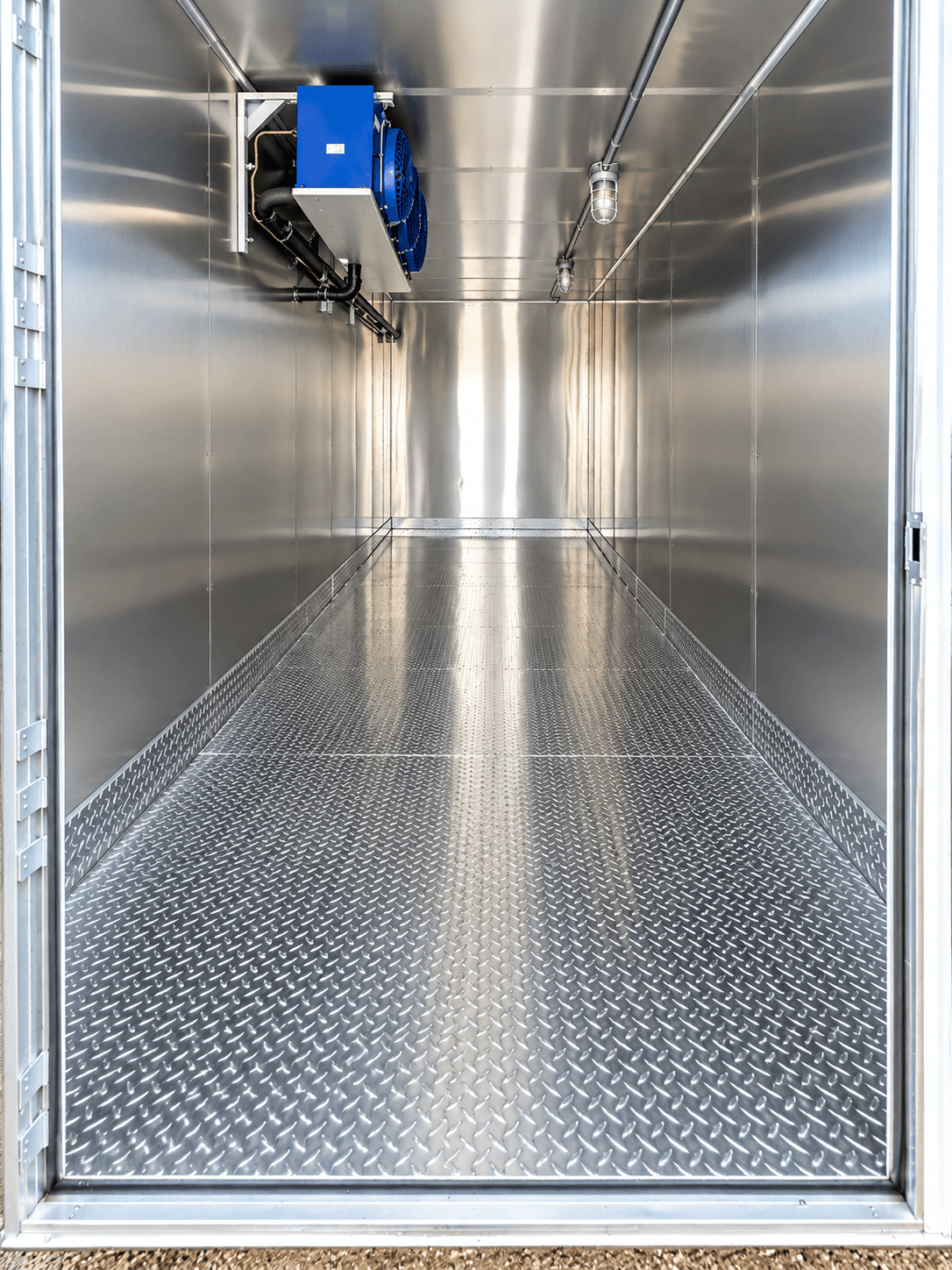
Listed refrigeration trailer equipment: condensing unit, amps panel, lighting.
Other cold-storage model details
- 12FT Refrigerated TrailerBXRT12–1 and BXRT12–2 list 220V · single-phase · 40–60A and a 32°F inventory label. Both are named as 12ft models, but their records also mention 20ft, so your quote confirms the length.
- 20FT Refrigerated ContainerYour quote confirms this container’s power, temperature and storage space for your project.
- 40FT Refrigerated ContainerYour quote confirms this container’s power, temperature and storage space for your project.
Equipment records reviewed October 19, 2026. Temperature labels are inventory labels, not verified operating ranges. Nominal length is a model label, not a measure of usable space or site footprint.
Container planning for stock segregation
Imagine a facility consolidating several stock lists during refrigeration work. Its example brief would retain the distinctions staff need to handle goods correctly and identify who reviews the proposed arrangement when product groups or responsibilities change. The working brief centers on separately identified ingredients from several teams and the decisions of the inventory systems coordinator. A short written brief can connect the stock task with the rest of the project. Include the required storage conditions, proposed position and decision contacts. Use it when discussing the unit and again when the operating schedule or products change.
Ask equipment questions that affect everyday use
Compare refrigerated container and refrigeration trailer options with a clear description of the stock. Identify walk-in cooler needs separately from freezer needs, provide the required product temperature and explain the largest load expected. Ask about the specific unit's usable storage capacity, door opening, loading access and electrical requirements. Include the stock carriers used by your team and any frequent door activity. Those details give your product and site contacts something concrete to review together, helping the equipment discussion address daily operation as well as the space available for a temporary store.

Plan for food production and distribution handovers
Food production managers comparing Richmond County with a separate Illinois facility may face ingredient receiving and finished product movement on different schedules during a handover. Identify the operator's product handling requirements, then map how delivery records will remain linked to stock as its location changes.
Bring the product requirements to the conversation
Give the team the storage conditions specified by the person responsible for your products. Include whether the goods need chilled or frozen holding, how they arrive, and any records your operation expects staff to maintain. Ask about the proposed equipment's operating range, controls and suitability for the actual load, and share those answers with the product owner. Explain frequent door use or unusually large incoming deliveries as part of the brief. Keep responsibility for product acceptance and handling with your designated staff, and agree what equipment information they need before deciding whether the arrangement is appropriate.
Plan around the busiest storage point
The useful starting figure is the greatest amount of stock expected at one time, including incoming orders that might arrive before older goods leave. Sketch that peak and note how it differs from an average operating day. Separate items that can remain packed from ingredients staff will retrieve frequently, and explain whether bulky containers or wheeled carts affect the layout. Include the supplier delivery pattern in the discussion. These details help frame a capacity inquiry without treating a nominal container size as a complete storage plan. Request a review of the expected load and the proposed working arrangement before reserving equipment.
Keep the project contacts connected
The person requesting a quote may not manage the site when equipment arrives or when the rental ends. Provide the relevant operational contacts and explain who can answer questions about stock, access and services. If a contractor's program affects the rental, identify how updates will reach the equipment contact. Ask what information should be confirmed before each planned stage. Keep a record of the agreed arrangement that another responsible person can use during a shift change. Agree how staff will receive updates, and keep the equipment information, operating contacts and current project dates available in one place throughout the rental.
Keep collection access in the plan
A project can change a site substantially between equipment arrival and collection. Describe the expected works sequence, including barriers, parked materials or temporary layouts that could affect the route later. Identify who will keep the access information current and who can approve changes when contractors are present. Ask the rental contact what details are needed for both movements and how collection should be requested. This is especially useful when the initial position is selected before the construction program is final. Keep arrival and collection access information together, and give the team a current version when the project moves into its next stage.
Document what the site can provide
A concise services note can make a refrigeration inquiry more useful. State the proposed location, identify the person responsible for electrical questions and record the information they can supply. Ask which specifications apply to the equipment being discussed and whether further site details are needed for review. Explain any restrictions on working hours or access that affect service preparation. Keep unanswered questions visible until the responsible contacts resolve them. This gives the site and equipment contacts a shared set of operating and connection details to review against the current project and proposed position.
Use decision points rather than an assumed deadline
When the end of an interruption depends on another contractor, describe the milestones that will determine your storage requirement. These might include completion of repair work, a site-services review or the operation's decision to transfer stock back. Give an expected schedule while making the uncertainty clear. Ask how the rental period could be extended and what steps are needed to request collection. Keep the contact responsible for updates identified throughout the inquiry. This gives the team a current description of the requirement and period, while keeping the operational milestones visible during the equipment and quotation discussion.
Ask about changes before approving the rental
A temporary refrigeration requirement can change after a repair inspection or a revised works program. Tell the team which parts of the request are firm and which remain estimates. Ask how a change in dates, location, equipment requirement or collection instruction would be handled under the proposed terms. Keep the answer with the quotation so the people approving the rental can review the same terms and change process. The decision should reflect the current equipment and project brief, including delivery and any additional items that need review. Request clarification before approving the rental so the operation understands both its storage plan and the commercial arrangement being offered.
Contact Worldwide Refrigerated Container Rental Facilities at +1 877-804-5153. Share your stock, site and dates, then ask about current equipment availability, rental or lease terms, delivery arrangements and a quote.
Preserve ownership when inventory systems are combined
An inventory systems coordinator can create a common stock record while retaining the identifiers used by contributing teams. Ask each team to explain what its status labels mean and who may amend them. Similar terms can describe different decisions in separate departments, so resolve those meanings before treating a consolidated spreadsheet as an agreed operational brief.
Test the merged record using an ingredient transferred between teams. Identify whether ownership changed, whether the entry was duplicated and which handling requirements the responsible product contact supplied. Record the reconciliation rather than removing a line without explanation. Share the reviewed requirement with the equipment contact and keep revisions traceable. That allows later staff to understand the stock distinctions even when the goods no longer occupy their familiar department storage areas.
Discuss your cold storage rental.
Confirm the equipment, delivery location, and rental period that fit your project.
Request availability