BXRT20–1Refrigerated trailer
- Nominal length
- 20ft
- Listed electrical supply
- 220V · single-phase · 40–60A
- Inventory temperature label
- 32°F
Temporary cold storage in Keene, New Hampshire
Keene refrigeration rentals can support a commercial opening or planned renovation and bridge an emergency breakdown in permanent cold storage. Refrigerated containers, trailers, coolers and freezers serve different needs, with kitchen and dishwashing facilities considered where additional work areas move. Short-term rentals and longer leases can suit restaurants, hospitality businesses, schools, hospitals and industrial food-service teams. Worldwide Refrigerated Container Rental Facilities serves Keene and coordinates delivery discussions around the actual site and equipment. Describe the products, preparation schedule and expected period to request availability and a quote for temporary storage that stays useful through the kitchen’s transition.
Emergency cooler or freezer failure in Keene? A person answers rental inquiries 24/7. Availability and delivery timing are confirmed in your quote.
Plan your rental budget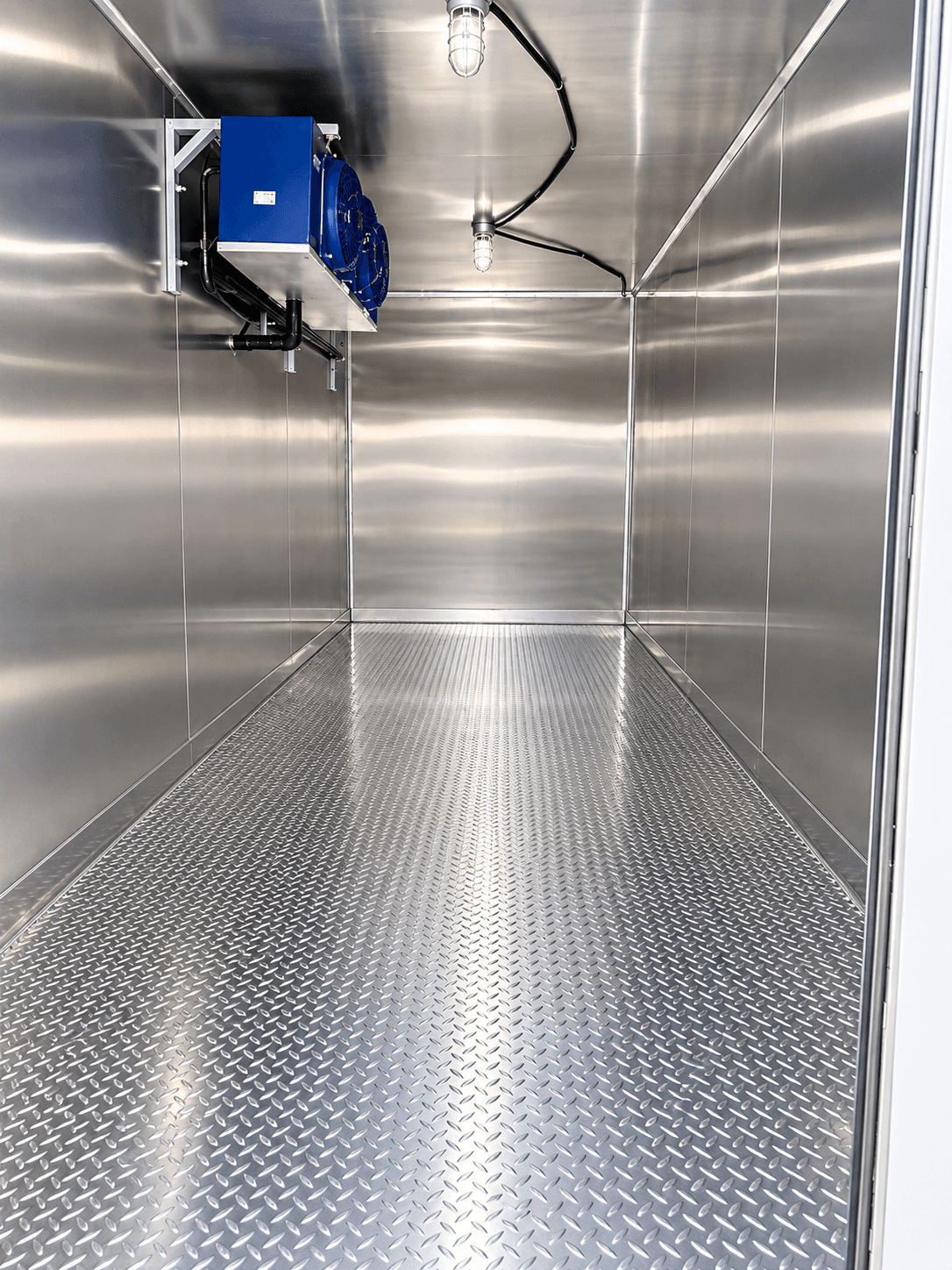
Compare the equipment
These published examples describe named company units. The supplied equipment, configuration and availability are confirmed for your project address.
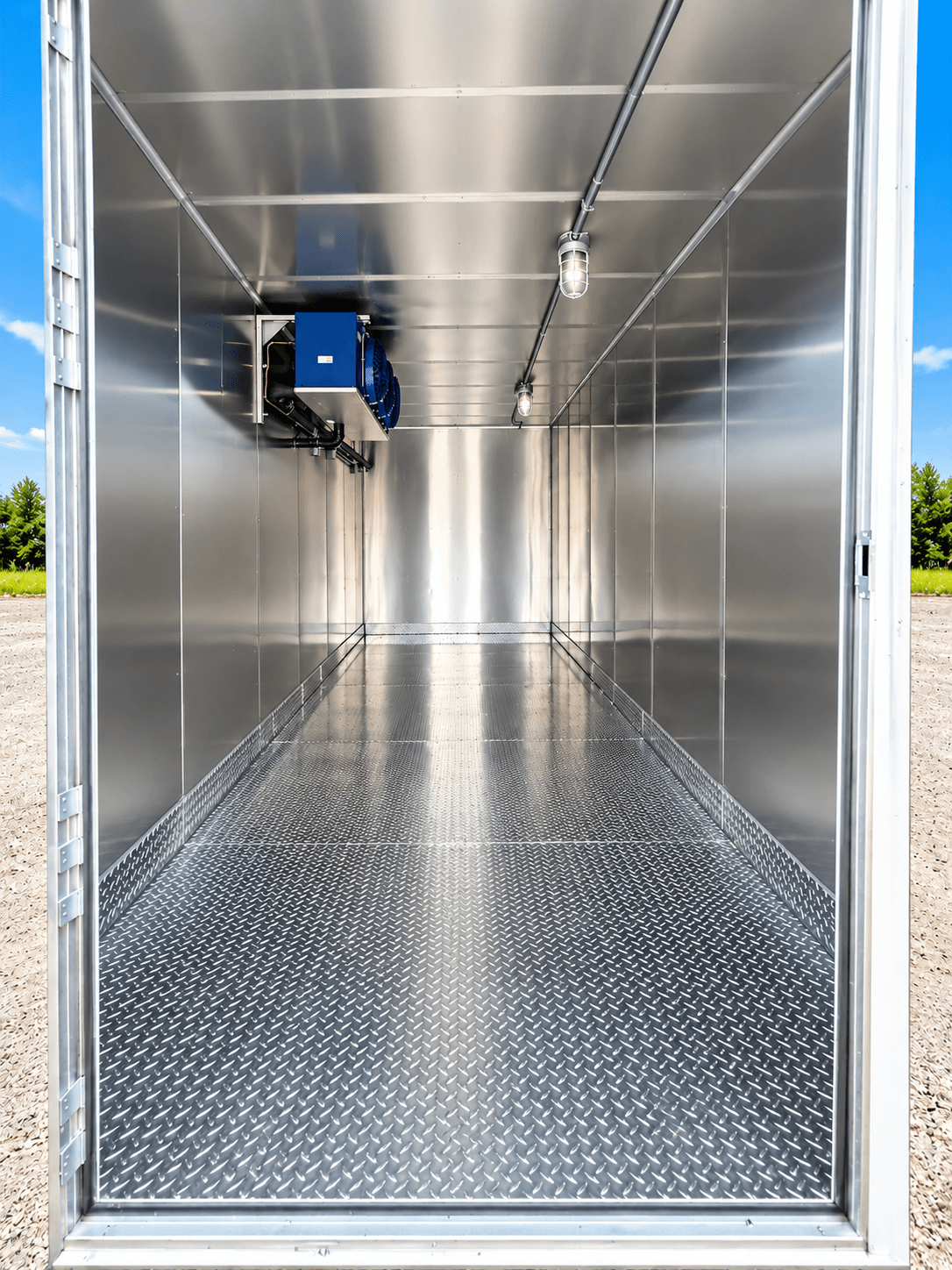
Listed refrigeration trailer equipment: condensing unit, amps panel, lighting.
Equipment records reviewed October 19, 2026. Temperature labels are inventory labels, not verified operating ranges. Nominal length is a model label, not a measure of usable space or site footprint.
A restaurant or hospitality business preparing to open or reopen in Keene may receive ingredients while the permanent kitchen is still being finished. Temporary refrigeration can serve that overlap if its role is clear. Identify the first deliveries, preparation days and products that need another location, then consider the peak quantity held before ordinary service begins. The rental may initially hold a larger load than the ongoing daily store. Explaining those stages helps select a useful arrangement, with access and layout based on the way staff will put products away and retrieve them rather than on the public opening date alone.
At the other end, the renovated cold room may be ready before every ingredient can move back. Include the operating team’s transfer and stock organization in the proposed rental period. For a longer lease, consider whether the temporary position remains practical as the building returns to normal activity and deliveries become regular. A store used frequently for preparation has a different role from a reserve opened occasionally. Discuss that use alongside equipment connections, transport and collection. A defined working arrangement can help opening teams manage the changeover without assuming that construction completion automatically ends the need for temporary storage on the same day.
The 20ft Refrigerated Container guide fits a project like this one, focused on refrigeration rentals for openings and kitchen renovations, and walks through the ground and drainage beneath the unit as well as one resting place for the whole project.
A large delivery before opening can create a different stock peak from later replenishment. Describe both stages with packaging and required conditions, keeping chilled and frozen needs distinct. The rental can start as a reserve and become the main store, or retain only a smaller role once service becomes regular.
Two nearby cities approach their projects differently. Concord’s guide addresses its own planning questions, while the guide for operators in Manchester addresses planning during food-service repairs. Each reflects its own property and schedule, so confirm your Keene details separately.
Discuss those uses with the actual offered entrance and layout, including any intended shelving or handling fittings rather than assuming they are supplied. Include staff receiving ingredients and those preparing meals, since their routine can reveal which products need the clearest access. Useful storage supports later deliveries and retrieval after loading, not only the initial quantity placed into an empty unit.
Food production teams planning phased maintenance in Keene or Marlborough, New Hampshire, may need to move ingredients without losing the connection between delivery records and batch allocation. Plan how staff will retain lot records and identify allocated goods while confirming access for suppliers and the people collecting orders.
A hospitality opening in Claremont can need storage for ingredients arriving before its first service day. For a requirement considered through the Keene market, identify the actual receiving point and preparation period rather than automatically use the place managing purchasing. The rental follows where supplies remain and staff use them.
A function in West Swanzey may create a shorter stock peak, while a kitchen project in Marlborough can need a longer daily store. These regional examples illustrate separate tasks rather than one shared business or unit. Give each real requirement its products, dates and access so connections, capacity and transport are considered for the selected location.
NOAA describes New Hampshire’s cold, snowy winters, generally mild summers and frequent precipitation. Include the actual rental months for the Keene property when equipment and outdoor placement are discussed. These state-level patterns help frame questions without establishing a local forecast or technical rating for the unit.
The proposed surface, connections and staff approach should be considered together. The property contact can explain shared access and changes through the period. A convenient position before opening needs to remain practical when ordinary receiving and service resume, rather than be selected only for easy unloading while activity around the equipment is quiet.
Permanent refrigeration may be ready while products remain in the rental. Include transferring supplies back and restoring ordinary stock organization before collection. Review changes and extension terms where opening or construction dates remain tentative instead of assuming additional use or a different pickup is included.
Setup and delivery is shown as a starting amount only; transport for the actual address, collection and other trips are confirmed in the quote. Request actual duration, transport, collection and other project scope through the complete quote. Compare proposals for the same products and working dates so purchasing and kitchen teams assess a practical arrangement through the entire transition rather than a preliminary equipment amount.
Before you book
Include the first ingredient deliveries and preparation or training days when discussing the working period. The opening announcement may come later than the storage need. Equipment, actual property and those dates should be reviewed together through the quote rather than assuming the first customer defines the complete requirement.
Describe the initial stock peak and the ordinary receiving cycle separately, including packaging, required conditions and access frequency. Equipment should be considered for those actual stages rather than an average quantity or assumption that the first delivery describes the entire period of useful storage.
Review the agreement and collection arrangements, including time for staff to transfer products and organize the store. Temporary storage may remain in use after building work finishes. Discuss schedule changes and when equipment can actually be emptied before planning its removal or relying on additional time.
These public references inform the planning examples; equipment availability and delivery arrangements are confirmed for your address.
Temporary refrigeration, kitchens and dishwashing can support many kinds of food-service operations. Each setting below starts with its own schedule, stock and site questions, and every project is reviewed individually.
Hotels, restaurants and resorts can plan temporary refrigeration around breakfast, banquet and dinner service when a walk-in cooler fails or a kitchen is refurbished.
Hospital, nursing home and care-facility kitchens can describe meal schedules, delivery times and displaced stock so temporary storage follows the food-service routine.
Municipal, county and public-building food-service teams can outline receiving arrangements, responsible contacts and project dates before a quote is prepared.
Dining facility managers can explain the products displaced, the receiving arrangements and the proposed period, then review availability and terms with our team.
Schools, colleges and universities can plan around term dates, serving windows and campus kitchen renovations so meal service can continue during repairs or construction.
Plant cafeterias and employee dining areas can describe shift patterns and staged building work so temporary cold storage can be reviewed against the working schedule.
Caterers and venues can plan preparation windows, event days and overflow ingredients, and describe how stock moves between storage, the kitchen and service.
Producers, wholesalers and distributors can describe loading, staging and storage needs when a cooler breaks down or demand temporarily exceeds capacity.
These examples describe planning situations. Equipment, availability and terms are confirmed in a project quote.
Cold storage is only one part of a project. These are the questions we work through with you before anything is booked.
Start with refrigerated containers and refrigeration trailers, then add a temporary kitchen or dishwashing trailer when the project needs one, all in a single conversation.
Access, utilities and the intended position are reviewed before delivery is arranged, so the equipment is matched to your site rather than the other way around.
Whether a walk-in cooler failed this morning or a renovation is months away, describe the real situation and plan around the stock, dates and people involved.
Planning guides cover all 50 states and more than 700 cities. Your address is then confirmed for equipment and delivery.
Use the rental calculator for a rate-range estimate and setup amount, then request a project quote that confirms availability, transport and the rental period.