BXRT20–1Refrigerated trailer
- Nominal length
- 20ft
- Listed electrical supply
- 220V · single-phase · 40–60A
- Inventory temperature label
- 32°F
Temporary cold storage in Paducah, Kentucky
Paducah refrigeration trailer leasing helps commercial food-service teams plan for a failed walk-in unit or a scheduled shutdown of permanent storage. Worldwide Refrigerated Container Rental Facilities can discuss refrigerated containers alongside kitchen trailers and dishwashing options for hospitality, institutional and industrial operations. Short-term rentals suit a defined repair window; longer lease inquiries can address phased construction or renovation. Equipment choice and delivery coordination require your actual address, operating quantities and usable placement space. Explain which parts of the business must continue during the disruption, and contact our team to request availability and a quote for your Paducah project.
Emergency cooler or freezer failure in Paducah? A person answers rental inquiries 24/7. Availability and delivery timing are confirmed in your quote.
Plan your rental budget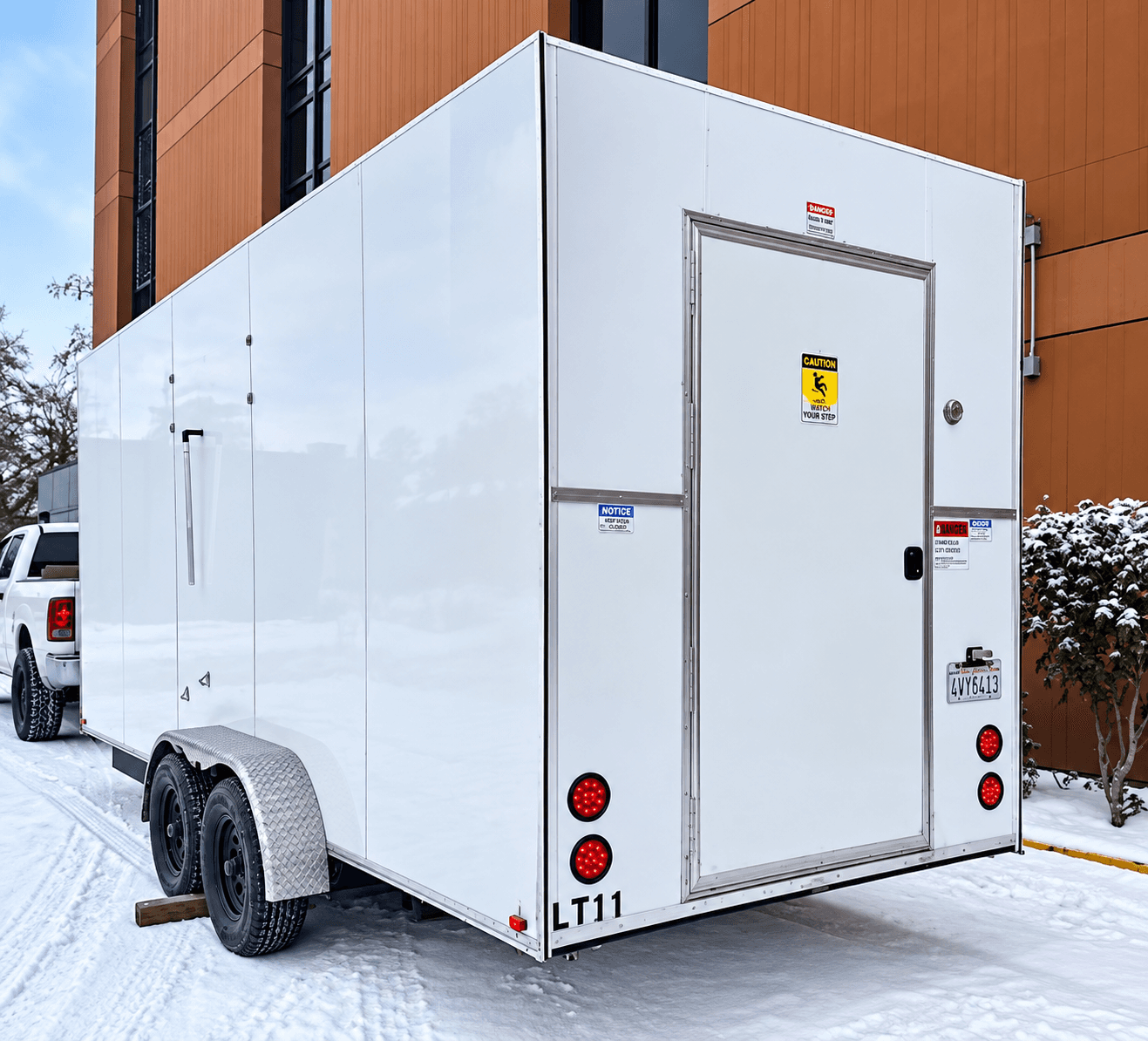
Compare the equipment
These published examples describe named company units. The supplied equipment, configuration and availability are confirmed for your project address.
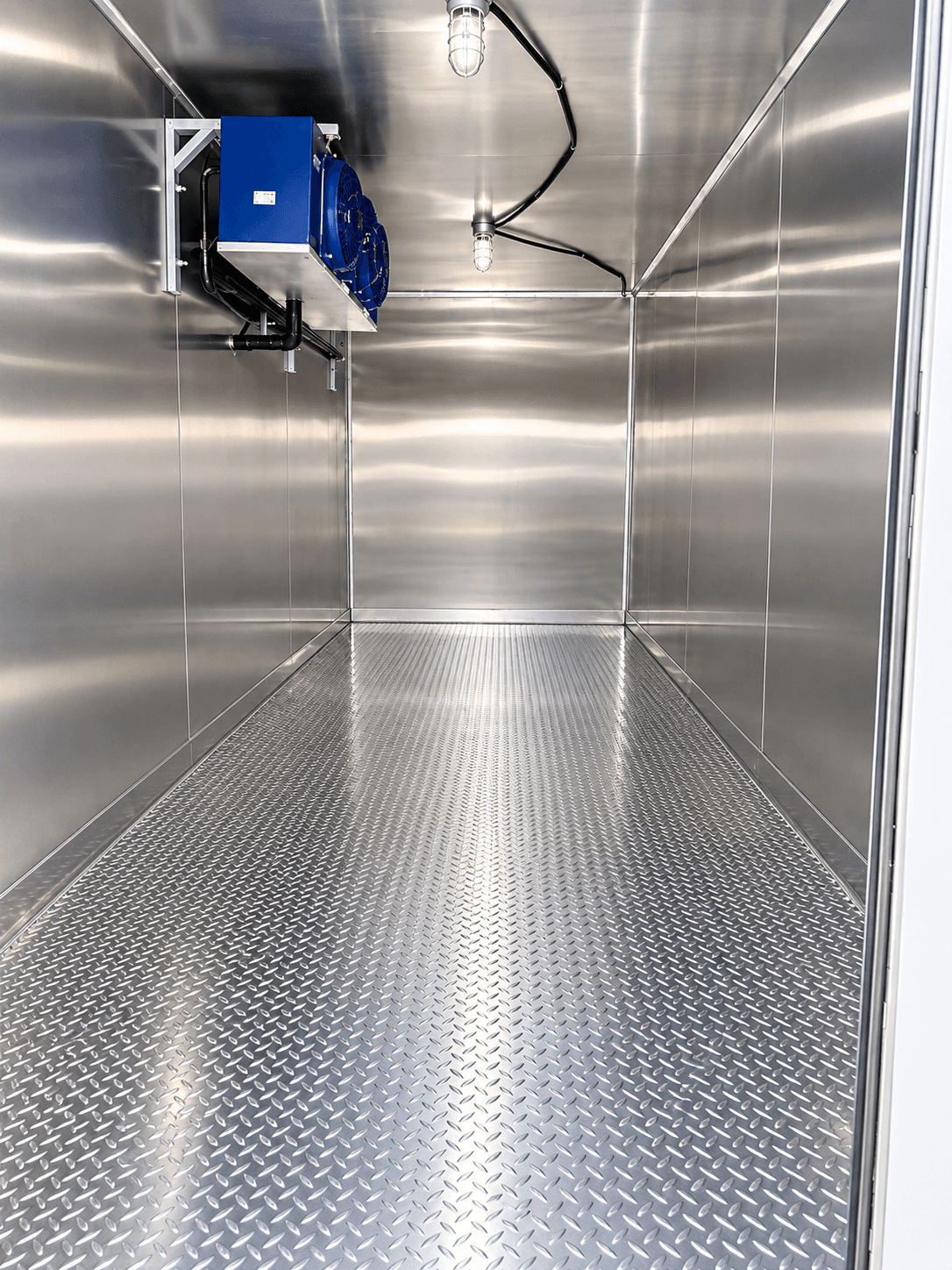
Listed refrigeration trailer equipment: condensing unit, amps panel, lighting.
Equipment records reviewed October 19, 2026. Temperature labels are inventory labels, not verified operating ranges. Nominal length is a model label, not a measure of usable space or site footprint.
Paducah’s engineering department documents the 1937 flood and records later floodgate installations, including April 2025. Its floodwall information gives useful historical context for an Ohio River community; it does not establish whether a particular site or road will be accessible during a future event. NOAA’s Kentucky summary adds statewide climate background. A refrigeration continuity plan should identify who checks current conditions and who decides whether staff can safely reach the property.
At the same time, the food-safety lead needs a record of affected stock and temperature history. If transfer is appropriate, identify the quantities and handling sequence before requesting a cooler. Keeping these decisions distinct prevents an equipment inquiry from becoming an unsupported assumption that the building can remain open.
For commercial projects, the 12ft Refrigerated Trailer guide sets out the next questions to settle, starting with how to rotate stock in a small interior and then a handback plan for the end of the rental.
The city’s floodwall record dates the original construction to 1939–1949 and describes the 2017 partnership agreement for rehabilitation. These dated infrastructure examples show that long-lived facilities still need planned renewal. They do not establish our involvement or current work at your address. For a separate commercial project, use the contractor’s phase plan to identify when the usual receiving point or storage room will be unavailable.
Readers in Paducah may also want to compare how other nearby cities approach their projects. Owensboro’s guide focuses on food-service repairs, and a separate reading is Bowling Green’s guide on additional food-service stock. Those are separate sites with separate requirements, so use them only as prompts for your Paducah request.
Refrigerated storage can be discussed around the actual period when food must be held elsewhere. If a kitchen moves while construction continues, describe its connection to receiving and service areas. Add a dishwashing inquiry only when that part of the operation also needs a temporary arrangement, with its own utilities and return route identified.
For healthcare food-service teams in Paducah or Mayfield, Kentucky, restoring a permanent room may involve an organized ingredient transfer after the contractor has completed its work. Bring the current meal timetable and supplier schedule together before requesting a proposal for the food-service requirement and proposed rental period.
An occupied venue may need to maintain breakfast service while replacing equipment overnight, or keep a limited menu while one preparation area is closed. Start by recording the working routines rather than selecting a trailer from a photograph. State which refrigeration tasks must move, which can stay indoors and when staff can complete a stock transfer without crossing the contractor’s protected work zone.
Hendron is a separate nearby inquiry location; Benton and Mayfield are other regional places to identify by their own addresses. A business operating across those communities should document each property’s constraints independently. Combining the purchasing conversation can be useful, but one entrance review cannot establish site permission or electrical suitability at every location.
Paducah’s downtown floodwall is a recognizable landmark, while delivery planning still depends on the specific property entrance and current access arrangements. Send a sketch that shows how a vehicle can enter, turn and reach the proposed placement. Include loading spaces used by other suppliers, customer movements and access needed by emergency services. Avoid treating a wide parking area as proof that the approach will work.
A facilities contact should verify the supporting surface and available electrical service for the proposed refrigeration unit. Clarify who can grant placement permission and who will keep the route available. Transport, setup responsibilities and any approvals need review before a delivery arrangement can be confirmed; no fixed journey time follows from a city guide.
A useful Paducah quote request explains the refrigerated stock that needs to stay cold, its packaging and how often staff will open the unit during a shift. Include the planned arrival window, expected return-to-service date and any uncertainty about the repair. If kitchen or dishwashing trailers form part of a wider temporary operation, describe the tasks separately so their requirements can be checked together.
Ask the quote to distinguish rental-period charges from delivery, collection and other responsibilities. Historical price tables do not establish current rates, and the calculator’s starting figure is not a complete time-based contract total. Refrigeration availability and site arrangements remain subject to confirmation. Bring the operational facts first so the proposed equipment can be reviewed against a clear scope.
Before you book
No. The municipal source describes flood-control infrastructure and history. Current routes, property conditions and any restrictions must be assessed separately when a delivery is proposed. This guide makes no access or response-time guarantee.
Yes. Explain the food quantities, preparation that continues and the tasks being paused. That narrower scope can help your team evaluate the temporary cold-storage requirement without assuming the entire permanent operation must be duplicated.
Tell the team promptly when the repair schedule changes. Extension availability, revised refrigeration charges and collection arrangements require agreement. Do not assume that an original inquiry automatically reserves equipment for an open-ended period.
These public references inform the planning examples; equipment availability and delivery arrangements are confirmed for your address.
Temporary refrigeration, kitchens and dishwashing can support many kinds of food-service operations. Each setting below starts with its own schedule, stock and site questions, and every project is reviewed individually.
Hotels, restaurants and resorts can plan temporary refrigeration around breakfast, banquet and dinner service when a walk-in cooler fails or a kitchen is refurbished.
Hospital, nursing home and care-facility kitchens can describe meal schedules, delivery times and displaced stock so temporary storage follows the food-service routine.
Municipal, county and public-building food-service teams can outline receiving arrangements, responsible contacts and project dates before a quote is prepared.
Dining facility managers can explain the products displaced, the receiving arrangements and the proposed period, then review availability and terms with our team.
Schools, colleges and universities can plan around term dates, serving windows and campus kitchen renovations so meal service can continue during repairs or construction.
Plant cafeterias and employee dining areas can describe shift patterns and staged building work so temporary cold storage can be reviewed against the working schedule.
Caterers and venues can plan preparation windows, event days and overflow ingredients, and describe how stock moves between storage, the kitchen and service.
Producers, wholesalers and distributors can describe loading, staging and storage needs when a cooler breaks down or demand temporarily exceeds capacity.
These examples describe planning situations. Equipment, availability and terms are confirmed in a project quote.
Cold storage is only one part of a project. These are the questions we work through with you before anything is booked.
Start with refrigerated containers and refrigeration trailers, then add a temporary kitchen or dishwashing trailer when the project needs one, all in a single conversation.
Access, utilities and the intended position are reviewed before delivery is arranged, so the equipment is matched to your site rather than the other way around.
Whether a walk-in cooler failed this morning or a renovation is months away, describe the real situation and plan around the stock, dates and people involved.
Planning guides cover all 50 states and more than 700 cities. Your address is then confirmed for equipment and delivery.
Use the rental calculator for a rate-range estimate and setup amount, then request a project quote that confirms availability, transport and the rental period.