BXRT20–1Refrigerated trailer
- Nominal length
- 20ft
- Listed electrical supply
- 220V · single-phase · 40–60A
- Inventory temperature label
- 32°F
Temporary cold storage in Springfield, Illinois
A renovation timetable usually explains the building work clearly; the kitchen also needs a timetable for its ingredients. Springfield refrigeration rentals help customers discuss where chilled and frozen products will stay while permanent storage is unavailable. The same planning can support equipment failures or temporary food-service peaks. Refrigerated containers, refrigeration trailers, portable coolers and freezers can be considered according to the goods and property. Describe the operating routine and the highest stock overlap so temporary equipment becomes a practical part of the project. Contact our team to discuss delivery, short rentals or longer leases, and request availability and a quote from Worldwide Refrigerated Container Rental Facilities.
Emergency cooler or freezer failure in Springfield? A person answers rental inquiries 24/7. Availability and delivery timing are confirmed in your quote.
Plan your rental budget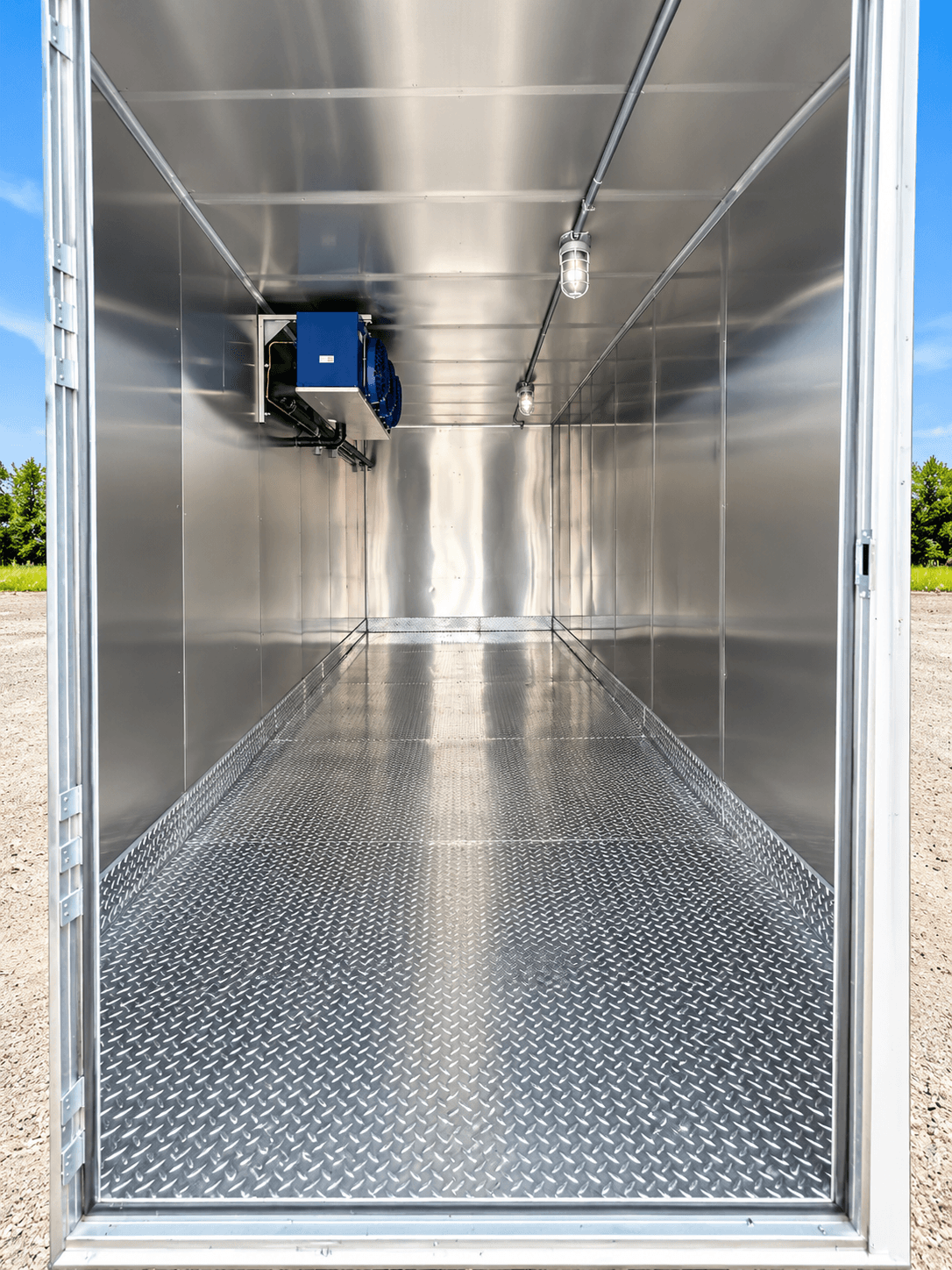
Compare the equipment
These published examples describe named company units. The supplied equipment, configuration and availability are confirmed for your project address.
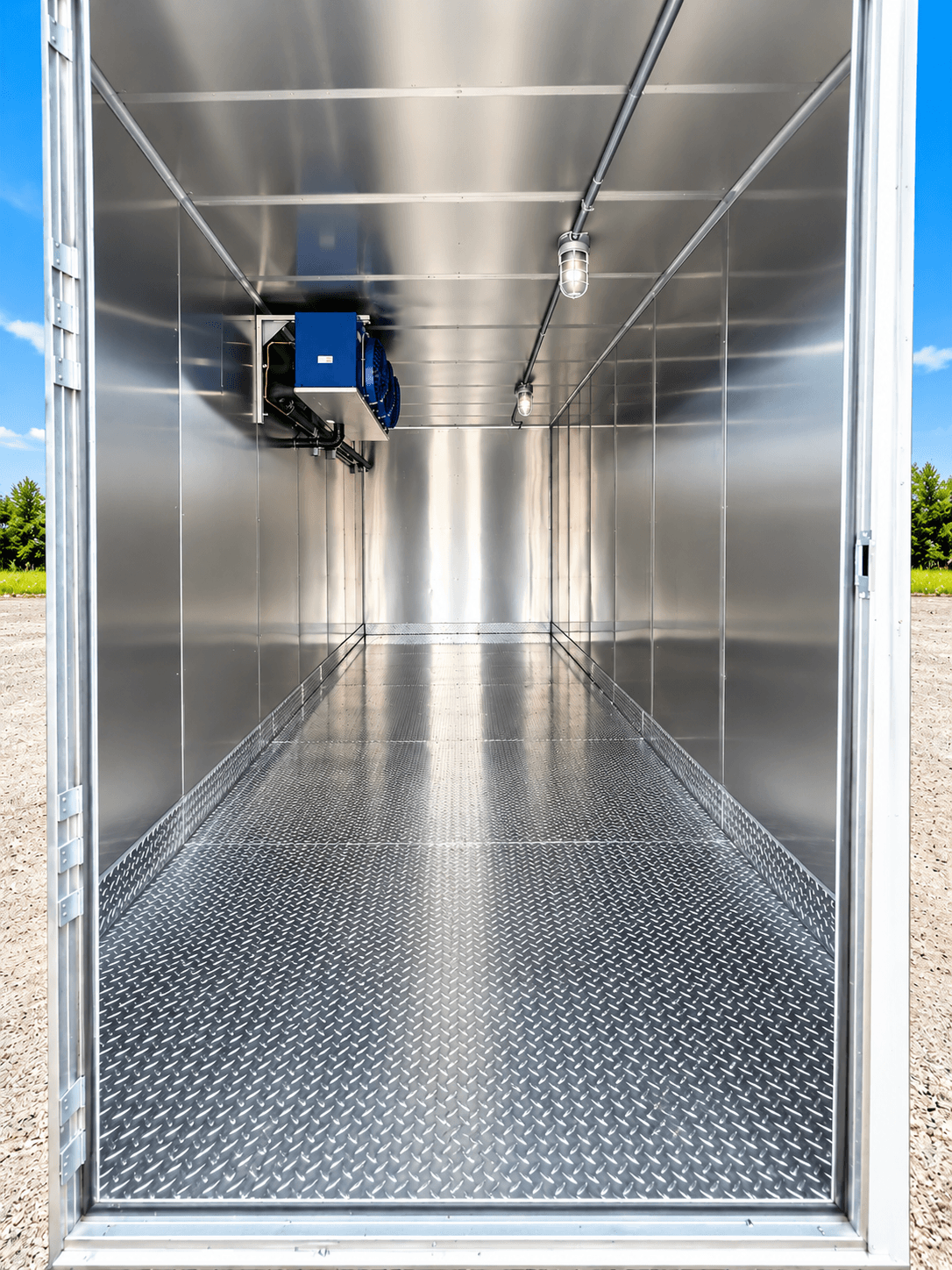
Listed refrigeration trailer equipment: condensing unit, amps panel, lighting.
Equipment records reviewed October 19, 2026. Temperature labels are inventory labels, not verified operating ranges. Nominal length is a model label, not a measure of usable space or site footprint.
Commercial refrigeration problems in Springfield rarely wait, so a food-processing plant may ask about a portable walk-in cooler rental as soon as a walk-in cooler or freezer breaks down. Emergency rentals and planned leases are quoted from the same details: the product, the temperature it must hold, the address and the dates. If cooking is also interrupted, a mobile kitchen trailer rental can sit beside the refrigeration, and a dishwashing trailer for rent can handle returned dishes.
Trailers for rent and trailer leasing cover emergency, short-term and long-term needs, from portable walk-in coolers to outdoor walk-in refrigeration for commercial sites. Whatever the hour, a person answers rental inquiries, so a failed commercial freezer in Springfield does not have to wait for business hours to be reported. Teams working in Champaign, Forsyth and Wenonah, as well as Springfield, can ask for trailer rental or leasing details for their own address, since equipment and delivery are reviewed site by site.
BizBash’s 2018 list of Chicago festivals ranked Lollapalooza first, with about 100,000 people a day in Grant Park, and counted about 1.5 million visitors at the Taste of Chicago. Food distributors in Cicero, Stickney and Berwyn can ask about leasing a refrigeration trailer for overflow stock when permanent coolers are full. Caterers in Naperville and Aurora can rent portable refrigeration for a single event and return it when the guests leave. Event refrigeration is quoted by the day or the week: portable refrigerated trailers for a weekend, trailer leasing for a full season. When cooking and dish washing stop together, a mobile kitchen, a dishwashing trailer and portable refrigeration can be one request. Mobile kitchens, dishwashing trailers and refrigerated trailers for rent can be quoted together as temporary facilities. These are public facts about the area, not a record of company jobs; equipment, availability and delivery are confirmed in the quote.
The November 17, 2013 tornado that struck Washington, Illinois, near Peoria was rated EF-4 and damaged more than 1,000 homes, according to the Daily Herald’s anniversary report. Caterers in Peoria Heights and West Peoria often need cold storage rental for a single event, while a commissary in East Peoria may need a longer lease through a busy season. Hospitals and hotels in Le Roy and Clinton sometimes need portable refrigerated trailers when a commercial walk-in breaks down during a busy week. Emergency refrigeration comes first after a storm or outage: a portable refrigerated trailer, a refrigeration container or outdoor walk-in refrigeration can hold stock while power and repairs catch up. A walk-in cooler and a walk-in freezer can be rented together when a commercial site needs both. A mobile dishwashing trailer and a mobile kitchen trailer are often requested together, with a refrigerated trailer for the stock. Nothing here assumes available equipment or a delivery time; a person answers rental inquiries 24/7 and the quote confirms the details.
Illinois is investing $298.2 million in five major infrastructure projects around Champaign-Urbana, including the U.S. 45 resurfacing expected to finish in fall 2026, and the Illinois Department of Transportation is working on 12 projects costing nearly $492 million in southern Illinois this season. Seasonal refits in Savoy, Mahomet and Mount Zion can be covered by a lease that starts before demolition and ends after the stock moves back indoors. Renovation projects in Kankakee may use a rented refrigeration trailer, and a dishwashing trailer for rent if the dish room is affected. Trailer leasing covers the length of a project: a refrigerated trailer for supplies and a refrigeration container for bulk stock, short-term or long-term. Onsite temporary facilities can include portable refrigeration, trailers for rent and, if dishes are affected, a dishwashing trailer. A dishwashing trailer lease can be added to the same quote when returned dishes also need washing. Dishwashing trailer rentals and warewashing capacity are quoted beside the kitchen and refrigeration when the whole food-service area is affected. Kitchen, dishwashing and refrigeration rentals are separate equipment, and each can be rented short-term or leased long-term. This is published public context, not company work; each request is quoted for its own address and dates. Commercial refrigeration trailers and cooler or freezer rentals are the core of the service. Refrigeration rentals range from a portable walk-in cooler for a few days to a refrigeration container leased for months. Most calls are about refrigeration: a failed cooler, a warm freezer or a compressor that will not restart.
Dishwashing and kitchen outages often arrive together, so dishwashing trailer rentals and a mobile kitchen for rent are quoted beside emergency refrigeration. Short-term or long-term, the same refrigerated trailer rental starts from the address, the stock and the dates. A portable refrigerated trailer suits most emergency calls, while a refrigeration container fits a longer, more stationary need. Emergency refrigeration rental covers walk-in coolers, walk-in freezers and refrigerated trailers for commercial kitchens, warehouses and plants.
A dishwashing trailer, a mobile kitchen trailer and a refrigerated trailer for rent can each be short-term or long-term, depending on the repair. A dishwashing trailer lease can be added to the same quote when returned dishes also need washing. A mobile, modular or portable refrigeration setup in Springfield is chosen to match the walk-in cooler or freezer that failed. Mobile kitchens, dishwashing trailers and refrigerated trailers for rent can be quoted together as temporary facilities.
For Springfield kitchens, plants and warehouses, trailer leasing and trailer rentals are two ways to get the same portable refrigerated storage. A short-term emergency rental can become a long-term lease at the same address, as long as the quote says so. Emergency refrigeration for commercial kitchens often starts with a portable refrigerated trailer and ends with a longer lease if repairs take time. Temporary facilities for a commercial site usually mean refrigeration first, then a mobile kitchen or dishwashing trailer if cooking or washing is also interrupted.
Outdoor walk-in refrigeration can be set up beside the building as temporary facilities, so staff keep working while the permanent walk-in cooler or walk-in freezer is repaired. A mobile kitchen trailer for rent can sit beside onsite refrigeration, so cooking and cold storage are planned together. Emergency refrigeration, onsite and temporary, is meant to bridge the gap until the commercial walk-in freezer is repaired or replaced. Refrigeration containers are often chosen for long-term storage, while refrigerated trailers are chosen for short-term emergencies; both can be rented.
Onsite temporary facilities can include portable refrigeration, a mobile kitchen trailer and, if dishes are affected, a dishwashing trailer. Modular and portable cold storage can be discussed in stages when a site needs more space than one refrigerated trailer provides. Kitchen, dishwashing and refrigeration rentals are separate equipment, and each can be rented short-term or leased long-term. Portable refrigerated trailers, refrigeration containers and outdoor walk-in refrigeration units can all be discussed for the same emergency.
A commercial walk-in freezer failure in Springfield is an emergency call, and onsite temporary refrigeration is how most such calls begin.
Identify the last normal receiving day, the first transfer and the point at which permanent refrigeration is expected to accept stock again. Include time for readiness checks and restocking after the visible construction ends. If the kitchen keeps serving, show how staff will retrieve ingredients while contractors use another part of the property.
A Springfield facility may be coordinating prepared components with a Riverton kitchen, creating a delivery overlap during the room closure. A Sherman project could instead need additional holding before a catered service. If equipment is required at a Rochester address, give that location its own load and period. These nearby-community relationships should explain the work rather than implying one rental placement supports every operation involved.
Because this guide centers on refrigeration rentals for kitchen renovations, the 20ft Refrigerated Container guide is a useful companion: it covers after-hours access to the unit and one resting place for the whole project.
Estimate inventory in the cases, containers or carts staff actually handle. Add supplier orders and finished batches that overlap with goods already held. Explain which products leave quickly and which remain for later service. Include the largest package dimensions and enough information about retrieval to distinguish a working room from a space used only for bulk holding.
Nearby guides can help frame your questions. Decatur’s guide covers corridor businesses and stock transfers, citing the Decatur entry “Jasper Street corridor project narrative”. For a different working situation, Bloomington’s guide covers downtown receiving adjustments, citing the Bloomington entry “municipal 2025 accomplishments report”. Neither guide describes Springfield itself, and both depend on their own site details.
Separate chilled and frozen requirements, then compare the confirmed configuration of the container, trailer or walk-in cooler proposed. Ask about entry, usable layout, shelving and operating requirements where relevant. A freezer need should remain explicit in the final proposal. Representative images cannot show every detail of the equipment being arranged for the particular booking.
Food production staff in Springfield or Sherman, Illinois, may receive revised ingredient requirements after supplier dispatch, requiring a plan for identifying and holding the arriving stock. Identify who checks product quantities on arrival, resolves discrepancies and updates stock locations when an order moves to another working area.
Photograph the approach from the entrance and identify tight turns, overhead obstacles and surface concerns. Show where deliveries normally arrive and how staff reach preparation from the rental. Preserve required access and clearances, and consider the route needed for collection after work ends. Confirm property permission for the intended position before stock depends on the temporary arrangement.
A further point of reference is Peoria’s guide, which covers food preparation. Its details belong to that city and do not describe Springfield.
Illinois has strong seasonal contrasts and geographic differences described in NOAA's state summary. Use that context to discuss the actual Springfield drainage, exposure and project period rather than infer site conditions from a broad climate description. Obtain the proposed equipment's electrical requirements and arrange appropriate review of the connection available at the property.
An urgent failure needs a concise description of the address, affected product groups, approximate quantity and next service deadline. Follow the operator’s food-safety procedures for goods already affected. Once equipment is confirmed, load essential ingredients where staff can reach them. Preserve labels, rotation and the normal product checks even when the first transfer has to happen quickly.
Ask for a Springfield quotation that connects the equipment, use period, transport and collection arrangements. Discuss additional charges and the handling of uncertain work dates. Mention related kitchen or dishwashing rentals that share the site so placement reflects the whole temporary operation. Final availability and configuration should be confirmed against the actual address and scope before approval.
Give receiving staff a clear destination for each product group and identify who communicates a changed supplier order. A short stock map is useful when new or relief staff join a longer renovation. Review the arrangement after the first busy meal, when the team can identify items that are difficult to retrieve or delivery quantities that were underestimated.
Before you book
Yes, explain the time needed to move products before permanent storage becomes unavailable. Include the return transfer after equipment is ready as well. Those bookends can extend beyond the active construction dates, so discuss the complete storage period when confirming rental and transport terms.
Identify where goods are prepared, where they wait and where the rental equipment is required. Include the timing and quantity of deliveries between those locations. Keeping each role clear helps explain the storage peak without combining separate properties into a single unexplained capacity request.
Explain both uses and when their stock overlaps. Separate any different temperature requirements and identify which finish date applies to each load. That gives the equipment proposal a clearer basis than treating the renovation and event as unrelated jobs when they use the same storage space.
The choice depends on how long the walk-in cooler or freezer will be unavailable: a short rental for a repair, a lease for a longer project. Useful details are the address, the quantity of stock, the required temperature and the expected dates. Equipment, availability and delivery timing are confirmed in the quote.
Emergency refrigeration can include portable refrigerated trailers, a refrigeration container, outdoor walk-in refrigeration or a walk-in cooler or walk-in freezer rental. A commercial walk-in freezer or refrigeration breakdown is an emergency, so call at any hour; a person answers rental inquiries 24/7, and the quote confirms the equipment and delivery for your address.
These public references inform the planning examples; equipment availability and delivery arrangements are confirmed for your address.
Temporary refrigeration, kitchens and dishwashing can support many kinds of food-service operations. Each setting below starts with its own schedule, stock and site questions, and every project is reviewed individually.
Hotels, restaurants and resorts can plan temporary refrigeration around breakfast, banquet and dinner service when a walk-in cooler fails or a kitchen is refurbished.
Hospital, nursing home and care-facility kitchens can describe meal schedules, delivery times and displaced stock so temporary storage follows the food-service routine.
Municipal, county and public-building food-service teams can outline receiving arrangements, responsible contacts and project dates before a quote is prepared.
Dining facility managers can explain the products displaced, the receiving arrangements and the proposed period, then review availability and terms with our team.
Schools, colleges and universities can plan around term dates, serving windows and campus kitchen renovations so meal service can continue during repairs or construction.
Plant cafeterias and employee dining areas can describe shift patterns and staged building work so temporary cold storage can be reviewed against the working schedule.
Caterers and venues can plan preparation windows, event days and overflow ingredients, and describe how stock moves between storage, the kitchen and service.
Producers, wholesalers and distributors can describe loading, staging and storage needs when a cooler breaks down or demand temporarily exceeds capacity.
These examples describe planning situations. Equipment, availability and terms are confirmed in a project quote.
Cold storage is only one part of a project. These are the questions we work through with you before anything is booked.
Start with refrigerated containers and refrigeration trailers, then add a temporary kitchen or dishwashing trailer when the project needs one, all in a single conversation.
Access, utilities and the intended position are reviewed before delivery is arranged, so the equipment is matched to your site rather than the other way around.
Whether a walk-in cooler failed this morning or a renovation is months away, describe the real situation and plan around the stock, dates and people involved.
Planning guides cover all 50 states and more than 700 cities. Your address is then confirmed for equipment and delivery.
Use the rental calculator for a rate-range estimate and setup amount, then request a project quote that confirms availability, transport and the rental period.